

We may earn money or products from the companies mentioned in this post.
Why Every Triumph Is a Triumph of Enthusiasm

What This Quote Means
Emerson wrote that every great moment in history is the triumph of enthusiasm. Look at the word he chose in the quote: “somebody’s.” He didn’t say a crowd made history. One person did, at the start. That person felt a fire about an idea, and the fire pushed them past doubt and past the people who said no. Big events look huge from far away. Up close, they begin small. They begin with a single mind and a wish that won’t quit. Emerson wants you to see the human being behind every grand moment. That person’s passion came first.
Enthusiasm isn’t a quick burst of energy. Motivation fades by Tuesday. Enthusiasm sticks around. It keeps you working when the work gets dull and the results look bad. It changes how you see a mistake, too. A passionate person treats a flop as a lesson, not a wall. And excitement spreads. When you care about something, others notice, lean in, and pick up part of the load. The triumph of enthusiasm spreads like flame between candles. One person lights a wick, and a neighbor lights the next.
How This Works in Real Life
Picture Thomas Edison in his Menlo Park lab in New Jersey, October 1879. He has tested hundreds of materials for a lightbulb filament, and each one burns out. Friends tell him to quit. He doesn’t. He bakes a strand of cotton thread until it turns to carbon, seals it inside a glass bulb, and flips the switch. It glows for more than 13 hours. His crew stays up to watch it, and they cheer when it holds. Nobody in that room felt calm. They felt thrilled, and that feeling carried them through every failed bulb. The triumph of enthusiasm looked like a small glass bulb on a wooden table.
Lessons We Can Learn
Start with what excites you. Pick the problem that keeps you up at night, not the one that looks good on a resume. Expect failure, and treat each flop as data. Say your idea out loud, because people can’t join a plan they haven’t heard. On slow days, protect your fire with small wins, like one page written or one part built. The triumph of enthusiasm doesn’t need a big stage. A project on your kitchen table counts. And if you’re waiting until you feel ready, you’ll wait a long time. Excitement grows when you act on it.
Final Thoughts
Think about the thing you’ve wanted to try. You know the one. It’s been sitting in the back of your mind for months. Emerson would say the triumph of enthusiasm begins with that exact thought. You don’t need a lab or a crowd. You need a first step and a willingness to feel silly for a while. Plenty of history’s biggest moments started with a person who felt foolish and kept going. Your idea might stay small, or it might grow past what you expect. Grab a sticky note, write down the first step, and put it where you’ll see it tomorrow.
Who is RALPH WALDO EMERSON?
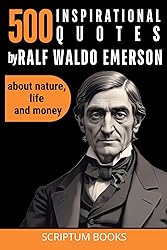
Ralph Waldo Emerson was an American essayist, philosopher, and poet who became a leading figure in the Transcendentalist movement. He emphasized individualism, self-reliance, and the importance of nature in his writings. Emerson’s works, such as essays and lectures, inspired many to seek personal growth and inner potential. His ideas on leadership, inspiration, and personal empowerment continue to influence modern thinking about how we achieve our best selves.
Find Ralph Waldo Emerson on AMAZON.


Other Ralph Waldo Emerson quotes are HERE.


