We may earn money or products from the companies mentioned in this post.
Why the Need to Be Appreciated Drives Human Behavior


“The deepest craving of human nature is the need to be appreciated.” – WILLIAM JAMES
Meeting the Need to Be Appreciated in Daily Life
Understanding William James’s Insight
William James identified something fundamental about human nature. People have a deep need to be appreciated. This craving goes beyond wanting compliments or praise. It touches the core of who we are. James suggests that appreciation ranks among our deepest desires. When someone recognizes your efforts, your value grows. When people ignore you, something inside feels empty. This need to be appreciated shapes how we behave, work, and connect with others. It drives motivation and affects our well-being.
Why Appreciation Matters So Much
James understood psychology better than most. He saw that recognition feeds the human spirit. Appreciation tells us we matter. It confirms our existence has value. Without it, people feel invisible. The need to be appreciated affects self-esteem and emotional wellness. When your boss thanks you, your motivation spikes. When your partner recognizes your efforts, your relationship deepens. James knew that appreciation acts as fuel for human growth. It powers our desire to contribute and improve.
How This Shows Up in Real Life
Think about your workplace. You finish a big project. Your manager walks past without a word. How do you feel? Compare that to when someone says, “Great work on that project.” The difference is huge. The need to be appreciated appears in every area of life. Parents want their kids to notice their sacrifices. Friends want recognition for being there. Employees need their contributions valued. When appreciation flows, relationships thrive. When it stops, people withdraw. Recognition transforms ordinary interactions into meaningful connections.
Learning from James’s Wisdom
James teaches us to give appreciation freely. Start recognizing people around you. Thank your coworker. Tell your friend they matter. Show gratitude to your family. These small acts of appreciation create massive impact. The need to be appreciated never goes away. It stays with us from birth to death. Build appreciation into your relationships. Make recognition a habit. Notice when people contribute. Value their efforts. This practice improves your leadership, strengthens your relationships, and boosts everyone’s well-being. Appreciation costs nothing but gives everything.
Moving Forward with Appreciation
The need to be appreciated drives human nature. James gives us a simple truth. People crave recognition. They want to feel valued. Start meeting this need in others today. Give genuine appreciation. Recognize contributions. Value the people around you. Watch how relationships transform. Notice how motivation grows. Appreciation creates a cycle of positivity. When you meet someone’s need to be appreciated, they feel seen. They feel valued. They contribute more. Remember James’s words. Make appreciation your practice. The impact will surprise you.
Who is William James?
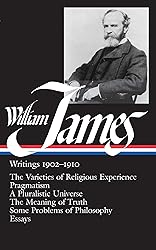
William James (1842–1910) was a pioneering American philosopher and psychologist, known as the “father of American psychology.” He played a key role in founding functional psychology, emphasizing the purpose of mental processes, and introduced the idea of the stream of consciousness, describing thoughts as continuous and flowing. As a philosopher, James helped develop pragmatism, a belief that ideas should be judged by their practical effects, and radical empiricism, which emphasized the importance of personal experience in understanding reality. His work in the philosophy of religion, particularly in The Varieties of Religious Experience (1902), examined the transformative impact of faith and spirituality on individuals. James’ ideas bridged psychology, philosophy, and religion, influencing modern thought and thinkers like John Dewey, while making complex ideas accessible and practical for everyday life.
Find William James on AMAZON.