We may earn money or products from the companies mentioned in this post.
Why Michelangelo Striving Perfection Is the Key to True Growth
“Lord, grant that I may always desire more than I can accomplish.” – MICHELANGELO
Michelangelo Striving Perfection: The Quest for the Unattainable
Meaning of Michelangelo’s Prayer
The simple prayer, “Lord, grant that I may always desire more than I can accomplish,” perfectly captures the heart of Michelangelo striving perfection. The statement shows the artist’s intense ambition. He struggles to reach an ideal he cannot achieve. The prayer is not a confession of weakness or a wish for failure. Instead, it is a powerful declaration of faith in the value of an endless effort. The “more” he desires represents a divine, absolute beauty he felt called to create. He saw his work as a spiritual quest. He committed completely to a standard that exists above human skill. This constant reach upward fueled his genius. It pushed him past any sense of mastery or satisfaction on earth. He understood that true artistic and spiritual growth demands a constant strive. This effort moves toward a vision greater than one’s current ability. This idea defines his life and his work.
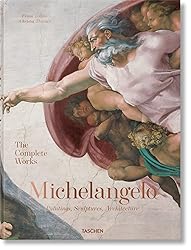
This mindset explains the scale and intensity of Michelangelo’s many great projects. He never settled for simply completing a task. He knew an easily reached goal stops the spiritual drive. This leads to complacency. The very act of desire becomes the engine for great achievement. By asking the Lord to keep his ambition greater than his capability, he ensures his drive will never stop. This belief connects the mortal artist directly to the divine. His famous pieces, like the Sistine Chapel, clearly show this relentless push. They provide real evidence of a man. He pursued a vision he felt he could not capture. His life proves a grand desire and limited action create tension. This tension is the source of profound, lasting creation. It is about the quality of the ambition, not the final completion of the task.
Applying the Quote to Life
This philosophy applies directly to life beyond art. Imagine a scientist working to cure a disease. The complete cure, the absolute end of the disease, represents the unattainable perfection. The scientist will find new variants. The scientist will find new challenges. The scientist will find new understanding. This constant pursuit, this strive, keeps the research relevant and important. If the scientist sets a small, easily achieved goal, the research will stop. However, by embracing a higher, impossible goal, the work remains meaningful. This principle is true for students, entrepreneurs, and athletes. The perfection is the horizon they chase. The joy and purpose come from the unwavering journey. They do not come from reaching the horizon. This ensures continuous growth. It prevents anyone from feeling satisfied with a small accomplishment.
Lessons from the Quote
The prayer teaches several vital lessons about living a meaningful life. First, it teaches the supreme value of ambition. We should set our goals high, perhaps even impossibly high. Second, it shifts the focus from the result to the effort. The purpose is not the accomplishment itself but the energy and growth born from the strive. Third, it defines a healthy relationship with failure. A person who desires more than they can achieve will often fall short. But in this quote, failure is not a disaster. It is simply proof that the ambition was great enough. This constant forward motion ensures we never stop learning or growing. The core lesson is that purpose lies in perpetual motion, not in reaching a final, fixed point. Michelangelo gave us a timeless formula for self-improvement and spiritual drive.
Conclusion
Michelangelo’s simple, powerful statement is an enduring testament. It shows the human spirit’s capacity for growth. The core idea is simple: Our desires should forever exceed our accomplishments. This idea provides a map for a life lived with passion and purpose. This Renaissance master shows us a truth. Satisfaction is a dangerous state that leads to stagnation. He kept perfection out of reach. This ensured his own spiritual drive remained infinite. He left a legacy behind. This legacy is not just a collection of completed works. It is a philosophy for endless effort. We should take this lesson and use it to fuel our own unwavering commitments. The value of our life will be measured by the size of the ideal we chase, not by the small goals we manage to complete.


Who is MICHELANGELO?
Michelangelo Buonarroti (1475–1564) was an Italian Renaissance artist known for his masterpieces in sculpture, painting, and architecture. He created iconic works like the David and Pietà statues, and painted the Sistine Chapel ceiling, including The Creation of Adam. Michelangelo’s work showcases incredible detail and emotion, symbolizing human ambition and divine inspiration. His influence shaped Western art for centuries, making him one of history’s greatest artistic geniuses.