We may earn money or products from the companies mentioned in this post.
Understanding the Importance of Criticism in Personal and Professional Growth


“Criticism may not be agreeable, but it is necessary. It fulfills the same function as pain in the human body. It calls attention to an unhealthy state of things.” – WINSTON CHURCHILL
How the Importance of Criticism Protects Us from Failure
Winston Churchill compared criticism to pain in the human body. Both can be unpleasant, but both serve an important role. The importance of criticism is clear: it alerts us to problems that we might ignore. Pain tells us to protect a wound. Criticism tells us to fix a weakness. This truth applies to personal growth, work, and leadership. Without such warning, bad habits or errors grow unchecked.
Criticism holds value because it can guide improvement. The value of feedback lies in showing us where we fall short. A leader who hears nothing but praise may believe everything runs well. In reality, hidden issues could threaten success. Accepting criticism can keep a person or group from repeating mistakes. Leaders and workers benefit from hearing the truth. Those who refuse to listen close the door on growth and learning.
Constructive criticism targets problems without destroying confidence. Its role is like a coach who wants the player to win. Handling criticism well requires patience and focus. The role of criticism in teams is to make work better. Without it, errors repeat, and skills stay weak. Teams that respect honest talk grow stronger over time. They build trust through open and clear words.
The benefits of criticism are real when it is fair and specific. It can prevent harm before it grows worse. Learning from criticism means acting on what is heard. A worker may avoid a big loss by fixing a small flaw. A leader may keep respect by changing a poor habit. Criticism for improvement is like maintenance for a car. It keeps things running in good shape.
Churchill’s point is plain: pain warns the body, and criticism warns the mind. Both help us stay healthy. People should view honest feedback as a signal, not an attack. Value the person who gives the warning. They may help prevent failure. In work, in relationships, and in life, open eyes and ears protect us. Listen, learn, and use criticism to grow stronger.
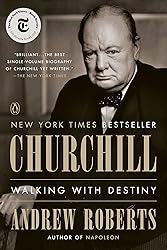
Who is WINSTON CHURCHILL?
Winston Churchill was a British statesman, writer, and orator best known for leading the United Kingdom during World War II. Born in 1874, he served twice as Prime Minister and played a key role in resisting Nazi Germany. His speeches, like We Shall Fight on the Beaches, inspired the nation. Churchill was also a historian and won the Nobel Prize in Literature for his writings on history. A strong advocate for democracy and the British Empire, he helped shape post-war Europe. Though controversial for some policies, his leadership and resilience made him one of history’s most influential figures.