We may earn money or products from the companies mentioned in this post.
The Productivity Trap: Why We Keep Doing Efficiently Useless Things
“There is nothing so useless as doing efficiently that which should not be done at all.” – PETER DRUCKER

Three Steps to Avoid Doing Efficiently Useless Things Daily
What This Quote Means
Peter Drucker wants us to look at how we work. Many people spend all day doing tasks. They make these tasks fast and smooth. They feel good because they finish a lot of work. But Drucker says this is a trap. People often spend hours doing efficiently useless things. They optimize tasks that do not matter. They perfect chores that do not help anyone. It is bad to do a bad job. It is worse to do a useless job perfectly. You waste your day. You waste your energy. You focus on the wrong goal. True productivity means you pick the right work first. You must not just do things fast. You must do things that have value.
Think about a worker at a desk. This worker sorts a huge pile of old papers. He uses a fast system to clip and file them. He works hard. He never stops for a break. He finishes the pile in one hour. This looks like good time management. But nobody needs those old papers. Nobody will ever read them. The worker feels proud of his speed. Still, the work holds zero value. This worker chose speed over purpose. He forgot about true prioritization. He chose a bad task choice. We must ask a hard question before we start any job. Does this work help our main goal? If the answer is no, stop the work. Do not try to make it faster. Just drop it.
How This Works in Real Life
Let us look at a real example. A man wants to build a birdhouse in his backyard. He spends three whole days cleaning his garage. He wipes every single wrench. He lines up his screwdrivers by size. He makes his workshop look perfect. He is doing efficiently useless things in the garage. He uses all his energy on the tools. He has no time left to build the actual birdhouse. He ends the week with a clean room but no home for the birds. His time management failed because his task choice was wrong. He cleaned well, but he cleaned the wrong thing at the wrong time. He needed prioritization to guide his hands. He should have built the birdhouse first.
Lessons We Can Learn
We can learn a major lesson from this idea. Good prioritization must come before speed. You must choose your target before you shoot your arrow. Make a list of your chores every morning. Look at each item with care. Ask if this task moves you toward your big goal. Delete the items that do not help. Do not waste time doing efficiently useless things just to cross them off your list. True productivity is not about a long list of finished chores. It is about the impact of your work. Fix your task choice before you fix your speed. This habit saves your day. This habit keeps your mind fresh for big projects.
Final Thoughts
We must change how we measure success. Do not count the number of tasks you finish today. Count the value of the things you create. Stop doing efficiently useless things to impress other people. Speed means nothing without a good direction. Excellent time management starts with a firm refusal to do useless work. Good productivity means you do the right things well. Keep your work simple. Keep your focus sharp. Pick your tasks with real care. You will save your precious hours. You will achieve your goals much faster. Your daily work will finally start to matter.
Who is PETER DRUCKER?
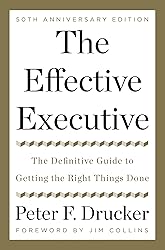
Peter Drucker was a management consultant, educator, and author, often called the “father of modern management.” Born in 1909 in Austria, he later moved to the U.S., where he influenced business thinking for decades. Drucker emphasized decentralization, knowledge work, and management by objectives. His books, like The Effective Executive and Management: Tasks, Responsibilities, Practices, shaped corporate strategies and leadership worldwide. He believed in innovation, employee empowerment, and adapting to change. His ideas still impact businesses, nonprofits, and governments today.
Find Peter Drucker on AMAZON.