We may earn money or products from the companies mentioned in this post.
How Changing Your Attitude Shapes Your Future

“The greatest discovery of any generation is that a human being can alter his life by altering his attitude.” – WILLIAM JAMES
Lessons from William James on Changing Your Attitude
William James believed that people shape their own lives through thought. He said every generation learns one great truth. A person can change life by changing their attitude. This idea shows the power of attitude in shaping how we act and what we achieve. A person who learns to think in a new way can find personal growth, better health, and lasting peace. Everything starts in the mind.
Every day we face problems that test us. Some people see failure as a wall; others see it as a lesson. That difference comes from attitude change. A negative outlook traps people in fear, but a positive one brings self improvement and hope. By changing your attitude, you choose to focus on progress, not pain. This choice shapes your life more than any event.
The psychology of attitude shows that thoughts affect actions. When we focus on joy and purpose, our work improves. Positive thinking gives strength in hard times. A strong success mindset grows from daily practice. You can train your mind to look for good things and to act with calm and focus. This habit builds a better life for you and others.
Changing your attitude helps you see that control starts inside. You cannot change other people, but you can change how you respond. This truth gives personal growth and life transformation. Small mental shifts create big results. With faith in your ability to think right, you build habits that move you closer to your goals and peace.
William James taught that the mind holds power. He showed that change your mindset and life changes too. Changing your attitude is a daily choice, a quiet act of strength. Each thought guides your next step. Every person has this power inside. Use it with care and purpose. Life bends in the direction your mind believes it can go.
Who is William James?
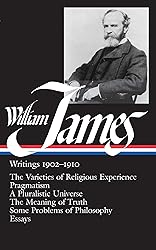
William James (1842–1910) was a pioneering American philosopher and psychologist, known as the “father of American psychology.” He played a key role in founding functional psychology, emphasizing the purpose of mental processes, and introduced the idea of the stream of consciousness, describing thoughts as continuous and flowing. As a philosopher, James helped develop pragmatism, a belief that ideas should be judged by their practical effects, and radical empiricism, which emphasized the importance of personal experience in understanding reality. His work in the philosophy of religion, particularly in The Varieties of Religious Experience (1902), examined the transformative impact of faith and spirituality on individuals. James’ ideas bridged psychology, philosophy, and religion, influencing modern thought and thinkers like John Dewey, while making complex ideas accessible and practical for everyday life.
Find William James on AMAZON.